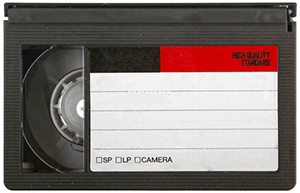
VHS-C tapes do not last forever. Even though they are smaller than regular VHS tapes, they still use magnetic tape inside, and that tape can deteriorate from age, heat, humidity, mold, storage conditions, and normal wear. Many VHS-C tapes were recorded in the 1980s, 1990s, and early 2000s. That means a tape with family memories, vacations, birthdays, school events, weddings, holidays, or everyday home videos may already be decades old. If your VHS-C tapes contain memories you care about, digitizing them sooner gives you a better chance of preserving the footage before the tapes become harder to play.
How Long Do VHS-C Tapes Usually Last?
VHS-C tapes can often last around 10 to 30 years, depending on the quality of the tape, how often it was played, and how it was stored. Some VHS-C tapes may last longer if they were stored in a cool, dry, stable indoor environment. Other tapes may start having problems much sooner if they were stored in a garage, attic, basement, shed, car, or storage unit. The problem is that VHS-C tapes do not always show damage from the outside. A tape can look normal in its small cassette shell while the magnetic tape inside is aging, weakening, or becoming harder to play safely.What Makes VHS-C Tapes Different From VHS?
VHS-C stands for Compact VHS. These tapes were designed for camcorders and are much smaller than full-size VHS tapes. VHS-C uses the same tape width as VHS, but the tape is packed into a smaller cassette shell. Because of that, VHS-C tapes are more compact and can be more sensitive to mechanical problems. Many VHS-C tapes can be played in a regular VCR using a VHS-C adapter. However, the adapter must work properly. A bad adapter, weak battery-powered adapter, dirty VCR, or damaged tape can cause playback problems. This is one reason VHS-C tapes should be digitized before the tape, adapter, or playback equipment becomes harder to use.Why VHS-C Tapes Deteriorate Over Time
VHS-C tapes store video and audio on magnetic tape. Over time, that tape can age and become less stable. As VHS-C tapes deteriorate, you may see problems such as lines, jumping, tracking issues, distorted colors, weak audio, or sections that do not play correctly. In more serious cases, the tape may stick, squeak, jam, break, wrinkle, or become unplayable. Because VHS-C tapes are smaller than full-size VHS tapes, damage can sometimes be harder to deal with if the tape jams, tangles, or breaks inside the cassette shell.Storage Conditions Matter
Where your VHS-C tapes were stored can make a big difference in how long they last. VHS-C tapes usually last longer when they are stored indoors in a cool, dry, stable environment. They are more likely to deteriorate if they are exposed to heat, moisture, humidity, dust, sunlight, or major temperature swings. Risky storage places include:- Garages
- Attics
- Basements
- Storage units
- Sheds
- Cars
- Damp closets
- Hot rooms or areas near windows
Heat Can Damage VHS-C Tapes
Heat can be especially hard on old VHS-C tapes. A VHS-C tape stored in a hot attic, garage, car, or storage unit can be exposed to temperatures much higher than a normal indoor room. Over time, heat can affect the plastic cassette shell, the tape tension, and the magnetic tape inside. Heat-related problems can include:- Warped or stressed cassette shells
- Sticky or unstable tape
- Playback distortion
- Tracking problems
- Weak or uneven audio
- Tape sticking, dragging, or jamming
Humidity and Mold Can Ruin VHS-C Tapes
Humidity is another major problem for VHS-C tapes. Damp storage conditions can lead to mold growth on the tape or inside the cassette shell. Mold may look like white, gray, fuzzy, or powdery spots. It may also create a musty smell when the tape case is opened. If a VHS-C tape has mold, avoid playing it repeatedly. Mold can damage the tape and contaminate playback equipment. If the mold is not too severe, careful digitizing may still be possible. But if the tape coating starts shedding, flaking, or coming apart, recovery becomes much harder.VHS-C Adapters Can Cause Problems Too
Many people use a VHS-C adapter to play VHS-C tapes in a regular VCR. These adapters can be useful, but they can also create problems if they are old, dirty, weak, or not working properly. A bad adapter can jam the tape, fail to load correctly, or cause playback issues. Battery-powered adapters can also fail if the mechanism does not move properly. If a VHS-C tape is important, be careful with old adapters. Forcing a VHS-C tape into a bad adapter can damage the tape.Signs a VHS-C Tape May Be Going Bad
You may not know a VHS-C tape is deteriorating until you try to play it. But there are warning signs that the tape may be at risk. Signs of VHS-C tape deterioration may include:- Lines, static, or distortion during playback
- Jumpy or unstable video
- Bad tracking
- Faded or unstable colors
- Weak, muffled, or missing audio
- A musty smell
- Visible mold inside the cassette
- Tape squeaking, sticking, or dragging
- The tape stopping, jamming, or refusing to play
- Problems loading into a VHS-C adapter
Can Old VHS-C Tapes Still Be Saved?
In many cases, yes. An old VHS-C tape may still be digitized if the tape is playable and the damage is not too severe. The result depends on the condition of the tape. Some VHS-C tapes transfer well. Some may have minor quality problems. Others may need extra care, different playback equipment, or repair before transfer. At Quick Digitals, we offer careful in-house digitizing and can test tapes on different playback equipment when needed to find the best available video and audio result. Not every damaged tape can be saved, but the sooner the tape is handled, the better the chance of preserving what is on it.Does This Only Apply to VHS-C Tapes?
No. VHS-C tapes are common camcorder tapes, but other tape formats can also deteriorate over time. The same general risks can affect:- VHS tapes
- Video8 tapes
- 8mm camcorder tapes
- Hi8 tapes
- Digital8 tapes
- MiniDV tapes
- Audio cassettes
How to Store VHS-C Tapes More Safely
If you are not ready to digitize your VHS-C tapes immediately, better storage can help reduce future damage. Store VHS-C tapes in a cool, dry, stable indoor room. Keep them away from heat, humidity, direct sunlight, dust, and moisture. Helpful storage tips include:- Keep tapes indoors, not in a garage or attic
- Store tapes upright in their cases
- Avoid damp basements and hot storage units
- Keep tapes away from windows and heaters
- Do not leave tapes in a car
- Keep tapes away from moisture and mold
- Avoid forcing tapes into old or unreliable adapters
Why Digitizing VHS-C Tapes Matters
Digitizing VHS-C tapes turns the video into digital files that are easier to watch, save, share, and back up. Once converted, your videos can be saved on a USB drive, computer, external hard drive, or cloud storage. You can also share copies with family instead of relying on one aging tape and old playback equipment. Digitizing helps protect your memories before:- The tape becomes too damaged to play
- Mold spreads further
- Heat or humidity causes more deterioration
- The VHS-C adapter or playback equipment stops working
- The recording becomes impossible to fully recover